
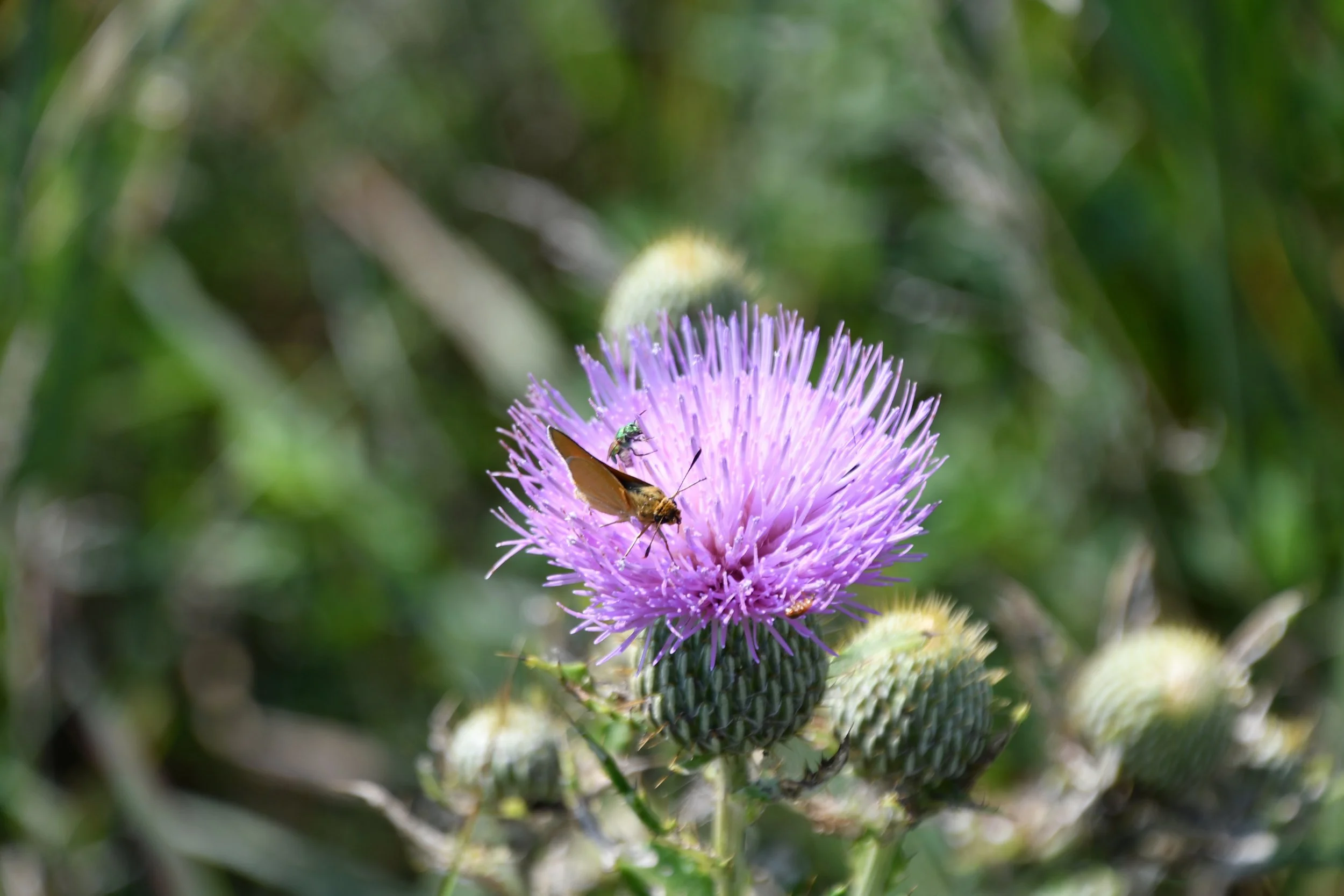
What is forest bathing?
Forest bathing, also called forest therapy or nature therapy, is a practice of intentionally slowing down and reconnecting with nature through our senses.
The term “forest bathing” comes from the Japanese practice of shinrin-yoku, which was created in 1982 as a way to help combat the rise of chronic disease and other stress-related challenges as Japan transitioned to a tech-based economy that had people spending much more time indoors.
In forest bathing, we don’t actually take a shower in the middle of the trees — we are immersing ourselves in the atmosphere of the forest. Think of it as how we talk about “sun bathing” when we are taking in the warmth and energy of the sun.
In a guided forest therapy experience, a trained guide will lead you through a series of simple activities to help you experience the natural world with all of your senses.
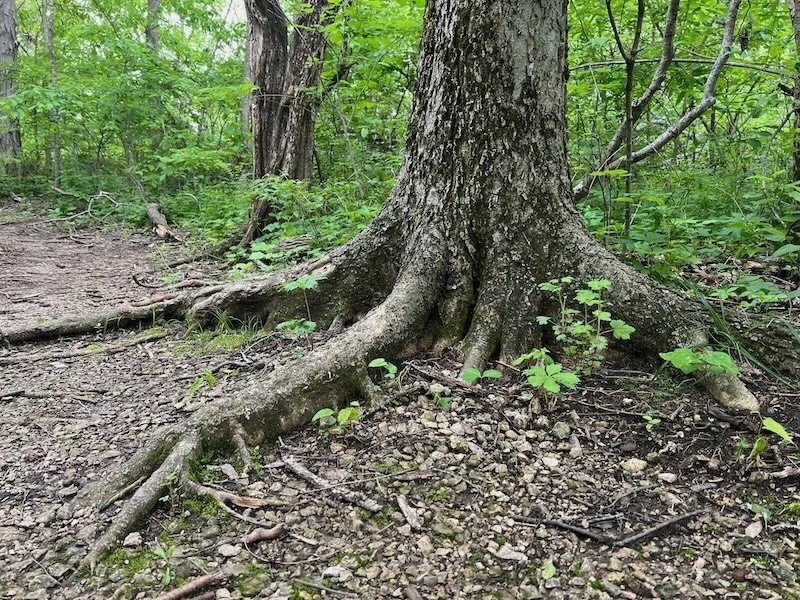
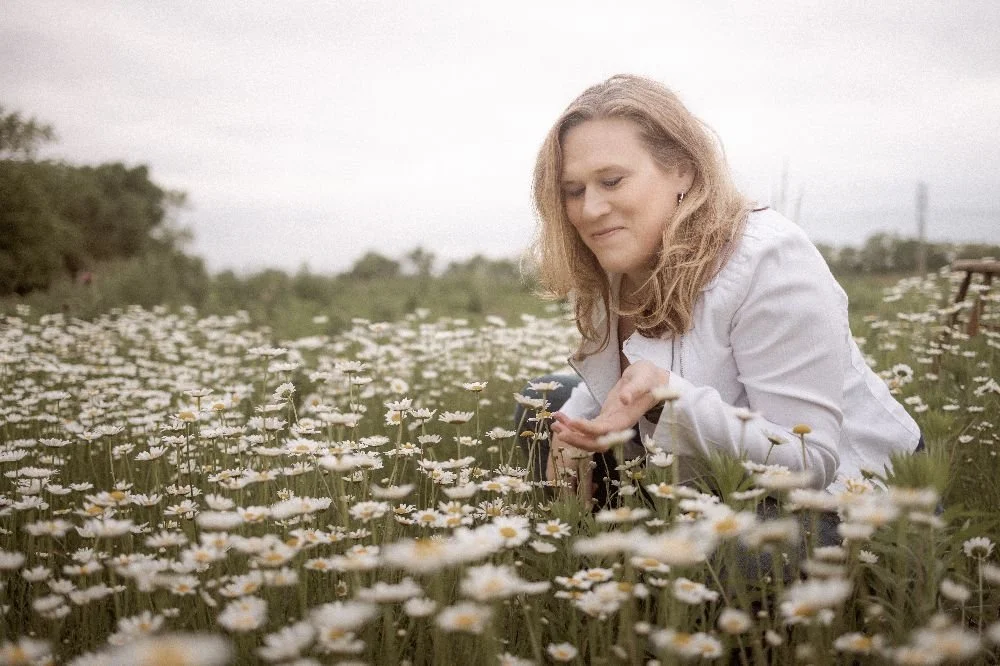
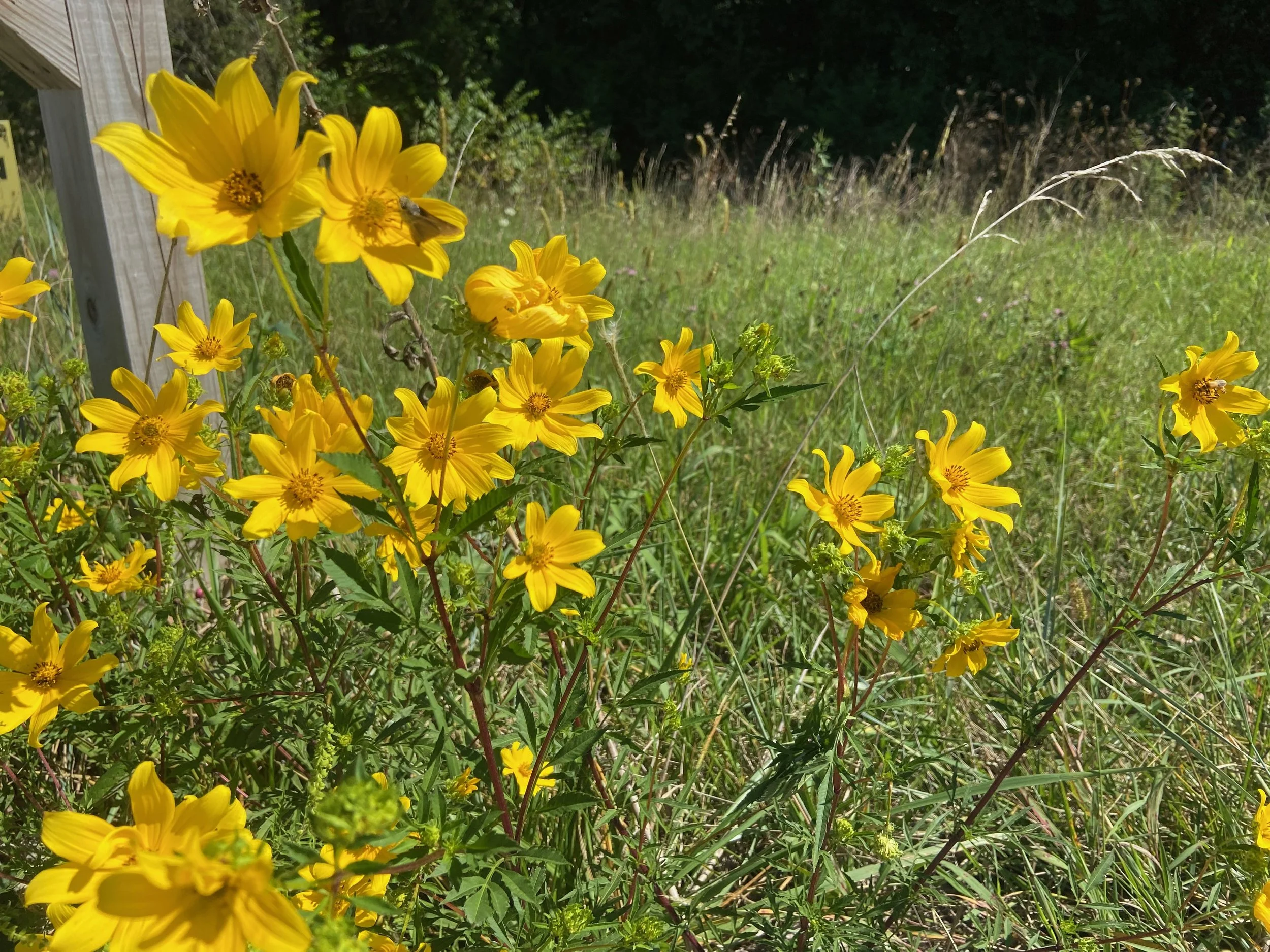
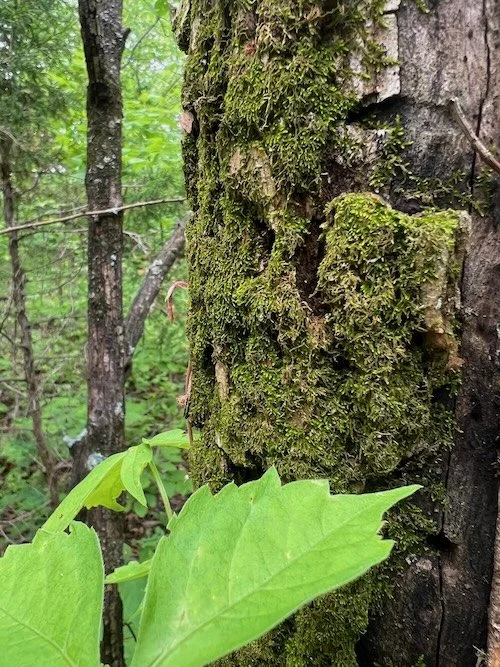
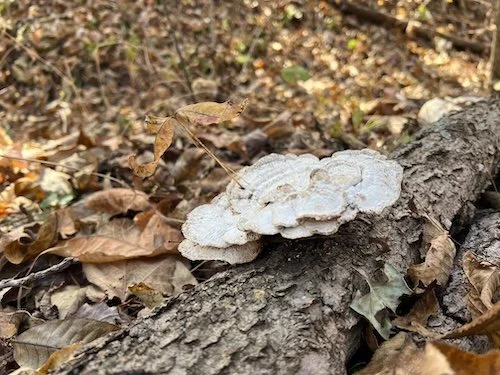
While the term “forest bathing” might make you think you need an old-growth forest, you can practice forest therapy anywhere you find nature! In Kansas City you can find a forest therapy opportunity in a woodland, a meadow, a prairie, or a community garden.
What are the health benefits of forest bathing?
Scientific research has shown that there are a number of benefits of forest bathing and nature therapy, including improved immune function, decreased stress and anxiety, and increased ability to focus and pay attention. Here are a few of our favorite highlights from the research:
A pilot study of the effects of forest therapy on U.S. Veterans with PTSD showed several benefits of a one-hour forest therapy session. The results revealed that participants reported a stronger sense of nature connection. Negative mood states, including anxiety, depression, anger, fatigue, and confusion, decreased significantly, while the positive mood state of vigor showed a notable increase. Life satisfaction was significantly enhanced following the intervention.
A 2010 research study found that people who walked in the forest twice a day for two hours had greater levels of cancer-killing proteins and immune cells.
A 2025 study found that self-guided forest bathing significantly improved attention, working memory, and creativity. Participants showed reduced completion times on the Stroop attention test, and scores on working memory and creativity tasks increased significantly following forest bathing sessions. More frequent forest bathing practices were also correlated with enhanced attentional control.
The Association of Nature and Forest Therapy maintains a great list of forest bathing research on their website.
What should I expect in a forest bathing experience?
When you attend a forest bathing experience with a trained guide, you’ll be led through a series of simple activities to help you immerse yourself in the natural world.
A typical forest bathing experience lasts 2-3 hours, although guides may offer shorter “introductory” experiences or longer forest therapy retreats.
You’ll start with a grounding exercise to help you tune in to your senses. Next the guide will offer you a number of what we call “invitations” that will encourage you to slow down notice the world around you. There will be opportunities to share throughout the experience.
This is different than a hike — we’re not headed to a specific destination or trying to hit a certain mileage. We slow way down and will probably take fewer steps than you would expect. We don’t need to cover a lot of ground to be transported to a different world; sometimes we just need to look closer at what’s around us!
This is not a naturalist walk either — the guide won’t be educating you on specific plant and animal species. Instead, they will help you get curious about the magic that surrounds us in nature.
FAQs about forest bathing
What should I wear and bring to a forest bathing session?
When attending a forest bathing session, wear weather-appropriate layers and comfortable shoes. You’ll want to bring water, bug spray, sunscreen, a hat and/or sunglasses, and any allergy medications (including an EpiPen) you may need.
How long does a forest bathing session last?
A typical guided forest bathing session will last 2-3 hours, although you may find some introductory sessions that are 60-90 minutes or forest therapy retreats that are a half or full day.
Is forest bathing suitable for beginners or people with limited mobility?
Forest bathing is definitely suitable for people of all abilities, including those with limited mobility. Make sure to notify your guide about any limitations or accessibility concerns as some locations may not be suitable as others.
How much does a guided forest bathing experience cost?
A typical 2-3 hour forest bathing experience in the Kansas City area costs between $25-$55 per person. Longer forest therapy retreats may cost $100 or more per person.
How do I find a certified forest bathing guide near me?
To find a certified forest therapy guide or forest bathing event in the Kansas City area, visit the KCForestBathing.com “Find Forest Bathing” page.
What happens if the weather is bad for forest bathing?
While each guide will have their own policy, most forest bathing events are held rain or shine with exceptions for dangerous conditions. There’s something extra special about forest bathing in the rain!
Ready to experience forest bathing?
Our calendar of upcoming events is a great place to start.